Troubleshooting
Why Does My Ice Taste or Smell Bad?
Almost always the water that is already in the machine rather than the water you are pouring in. Here is the order to work through it.
Disclosure: we earn a commission if you buy through our links. It never affects which machines we recommend or how we rank them, and we take no sponsored placements. Read the full disclosure.
Quick picks
| # | Machine | Best for | Price |
|---|---|---|---|
| 1 | 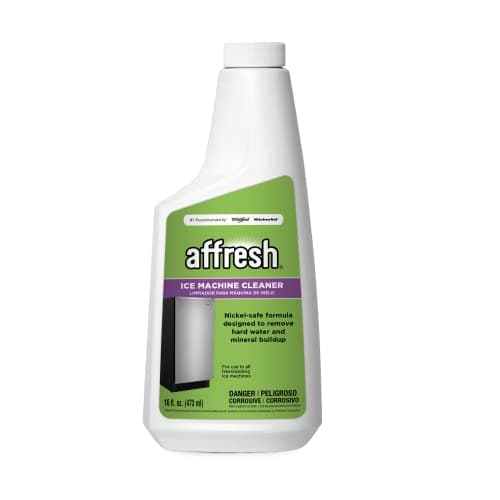 Affresh Not published Biofilm in the water path is the usual cause of odor. | The likely fix | |
| 2 | 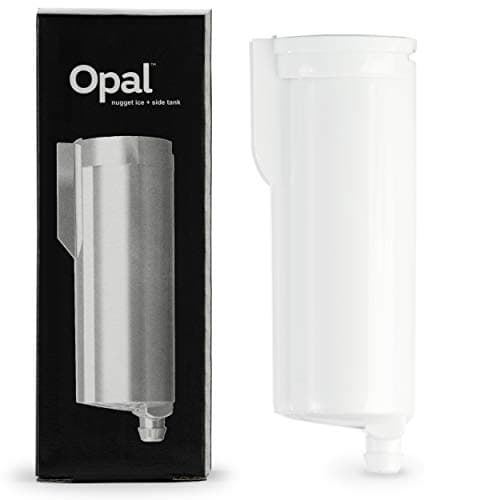 GE Profile Not published Addresses the incoming water once the machine itself is clean. | For chlorine and mineral taste | |
| 3 | 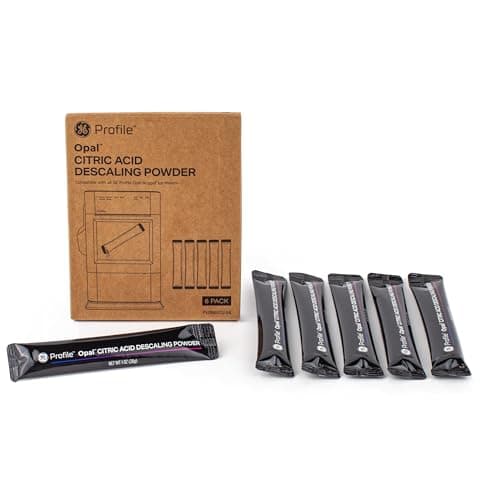 GE Profile Not published GE's own descaler, for taste that comes with slow production rather than a smell. | When scale is the cause |
#ad We earn a commission on purchases made through this link. How this is funded. Prices last checked October 18, 2026.
Why stale water is the usual answer
A countertop ice maker recirculates. Ice melts in the unrefrigerated bin and the meltwater drains back into the reservoir to be frozen again. Water you poured in on Monday is still in there on Friday, having been through the circuit several times at room temperature.
Topping up makes this worse rather than better, because the oldest water never leaves. The fix is to drain and refill, which takes the same thirty seconds and actually removes the problem.
Do that, run one cycle, discard the ice, and taste the next batch. If the taste is gone, you are done and you now have a habit worth keeping.
If it is a smell rather than a staleness
Smell points to biofilm. Standing water plus room temperature plus organic material is all it takes, and the machine supplies the first two by design.
Look in the reservoir and the bin. Pink, clear or dark slippery deposit is biofilm. If you can see it, do not use the ice; empty the machine, run the full cleaning procedure, and discard two batches afterwards.
Why it happens and how to stop it recurring: mold and slime in a nugget ice maker.
Diagnosing by the specific taste
| What it tastes or smells like | Likely cause | Action |
|---|---|---|
| Stale, flat, faintly off | Old recirculated water | Drain, refill, discard one batch |
| Musty, sour, actively unpleasant | Biofilm | Full clean, then discard two batches |
| Chlorine or swimming pool | The incoming water | Filter the water going in |
| Metallic or mineral | Hard water, possibly scale | Descale, then consider a filter |
| Plastic, on a new machine | New-appliance off-gassing | Run two or three cycles and discard |
| Plastic, on an old machine | Not the plastic. Cleaning problem | Full clean |
| Like whatever is in the freezer | Ice absorbing freezer odors | Store harvested ice in a sealed container |
| Vinegar | Incomplete rinse after descaling | Run two more full rinse cycles |
Where a filter fits
Last, not first. A filter treats the water going in, and the water going in is rarely the problem: the machine has usually spoiled the water itself through standing and recirculation.
Where a filter does earn its place is a genuine chlorine or mineral note in fresh water from a machine that is already clean. That is a real situation and it is covered on water filters for nugget ice makers.
The habit that prevents all of this
- Empty the machine whenever it will sit unused for more than a day. Standing water is the whole problem.
- Drain and refill rather than topping up, so the oldest water actually leaves.
- Clean monthly, on a schedule, before you can taste anything wrong.
- Keep the lid closed and unwashed hands and scoops out of the bin.
- Store harvested ice in a sealed container in the freezer, not an open bag.
The picks in full
1. The likely fix
Affresh Ice Machine Cleaner
A widely stocked general-purpose ice machine cleaner for owners of machines whose manufacturer sells nothing.
- Rated output
- Not published
- Bin capacity
- Not published
- Electrical
- Not published
- Ceiling at 4 hrs/day, $0.18/kWh
- Not published
#ad We earn a commission on purchases made through this link. How this is funded. Prices last checked October 18, 2026.
Most nugget machines are sold by brands that publish no cleaning product of their own, which is exactly the gap a general-purpose cleaner fills.
Always check your own manual before using any third-party product. Some manufacturers void warranty cover for cleaners they have not specified, and the manual is the only place that will tell you.
As with every cleaning product here, we have not used it and we are not going to describe how well it works. What we can say is what the category is for.
Skip this if
Your machine's manufacturer publishes a cleaning procedure that names a specific product. Follow that instead, particularly while the machine is under warranty.
2. For chlorine and mineral taste
GE Profile Opal Ice Maker Water Filter
The consumable that reduces how often you have to descale, which is the maintenance job everyone puts off.
- Rated output
- Not published
- Bin capacity
- Not published
- Electrical
- Not published
- Ceiling at 4 hrs/day, $0.18/kWh
- Not published
#ad We earn a commission on purchases made through this link. How this is funded. Prices last checked October 18, 2026.
The FirstBuild Opal manual includes a water filter section, so a filter is part of the intended maintenance routine on this machine rather than an accessory bolted on afterwards.
What a filter does here is reduce the mineral load reaching the freezing cylinder. That is the load that becomes scale, and scale is the single most common cause of a nugget machine slowing down.
It does not eliminate descaling. It changes how often you need to do it, which in hard-water areas is the difference between a quarterly job and a monthly one.
Skip this if
Your water is soft, or you already fill the machine with filtered or distilled water. A filter on top of already-filtered water is a purchase without a job.
3. When scale is the cause
GE Profile Opal Descaling Powder (6-pack)
The manufacturer's own descaler for the machine with the most detailed published descale procedure, which is exactly what that procedure asks you to put in it.
- Rated output
- Not published
- Bin capacity
- Not published
- Electrical
- Not published
- Ceiling at 4 hrs/day, $0.18/kWh
- Not published
#ad We earn a commission on purchases made through this link. How this is funded. Prices last checked October 18, 2026.
GE's Opal procedure calls for a sachet of its own citric descaler in a full reservoir of hot water, so this is the manufacturer's product matched to the manufacturer's published procedure - the lowest-risk option on a machine still in warranty.
This is a descaler, not a cleaner. Descaling dissolves mineral scale; cleaning removes biofilm and residue. They are different jobs and doing one does not do the other, which is why this site also carries a cross-brand cleaner.
GE publishes no specification sheet for the powder, so its chemistry beyond 'citric' and its dose per sachet are not fields we can fill in. The listing describes a 6-pack.
Replaced the GE Profile Opal cleaning kit on this site on 2026-10-03: that product's listing went to 'Currently unavailable' with no offer, and GE's live Opal maintenance consumable is this descaling powder.
Skip this if
The problem is taste or smell rather than slow production. That is biofilm, and biofilm needs a detergent cleaner, which this is not.
Questions people actually ask
Why does my nugget ice taste bad?
The most common cause is stale recirculated water. These machines drain meltwater from the bin back into the reservoir rather than out of the machine, so water sitting in a machine for a week has been round the circuit repeatedly at room temperature. Empty and refill rather than topping up, and if the taste persists, the machine needs cleaning.
Why does my ice maker smell?
Biofilm. Standing water at room temperature plus organic material gives you growth in the reservoir, tubing and bin, and the smell follows. It is a maintenance interval problem rather than a defective machine, and it happens on expensive machines just as readily as cheap ones.
Why does my ice taste like plastic?
On a new machine, a faint plastic taste for the first few batches is common and it fades. Run two or three cycles and discard the ice. If it persists beyond that, or appears on a machine that was previously fine, treat it as a cleaning problem rather than a material one.
Will a water filter fix bad-tasting ice?
Only if the cause is the incoming water, which it usually is not. Stale recirculated water and biofilm are the more common causes and a filter addresses neither. Clean the machine first; consider a filter afterwards if the taste is a chlorine or mineral note in fresh water.
Can ice absorb smells from a freezer?
Yes, which is worth knowing if you harvest ice into the freezer as we recommend. Store it in a sealed lidded container rather than an open bag, because ice picks up freezer odors readily.
Sources
Read next
- How to Clean a Nugget Ice Maker
A cross-brand cleaning procedure, and the cleaning-versus-descaling distinction nobody draws.
- Mold and Slime in a Nugget Ice Maker
Why biofilm grows in these machines, how to remove it, and the habit that prevents it.
- What Water to Use in a Nugget Ice Maker
Tap, filtered or distilled: what each does to scale, taste and maintenance.
- Water Filters for Nugget Ice Makers
What a filter actually does, when it earns its place, and when it is a purchase without a job.
- How to Descale a Nugget Ice Maker
Different chemistry from cleaning, and usually the fix for a machine making ice slowly.
- Choosing an Ice Maker Cleaner
Cleaner or descaler? Work out which problem you have before you buy either.