Guides
Water Filters for Nugget Ice Makers
A filter does not make ice taste better by magic. It reduces the mineral load reaching the freezing cylinder, which changes how often you have to descale.
Disclosure: we earn a commission if you buy through our links. It never affects which machines we recommend or how we rank them, and we take no sponsored placements. Read the full disclosure.
Quick picks
| # | Machine | Best for | Price |
|---|---|---|---|
| 1 | 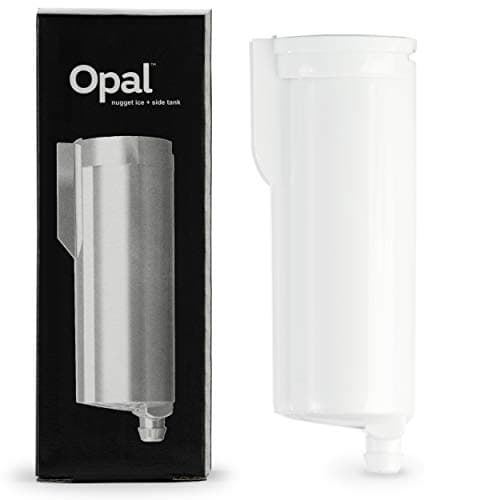 GE Profile Not published Part of the Opal's documented maintenance routine, not an add-on. | The one to fit | |
| 2 | 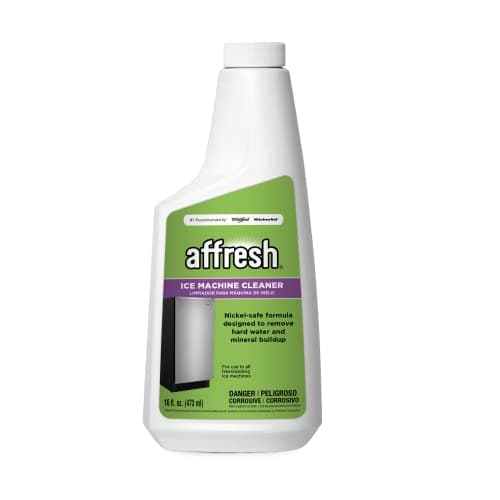 Affresh Not published A filter reduces scale. It does nothing about biofilm. | Still needed alongside |
#ad We earn a commission on purchases made through this link. How this is funded. Prices last checked October 19, 2026.
On some machines it is part of the design
The FirstBuild Opal manual includes a water filter section in its contents alongside care and cleaning. That is worth noting: on the Opal line a filter is part of the intended maintenance routine rather than an accessory somebody thought of later.
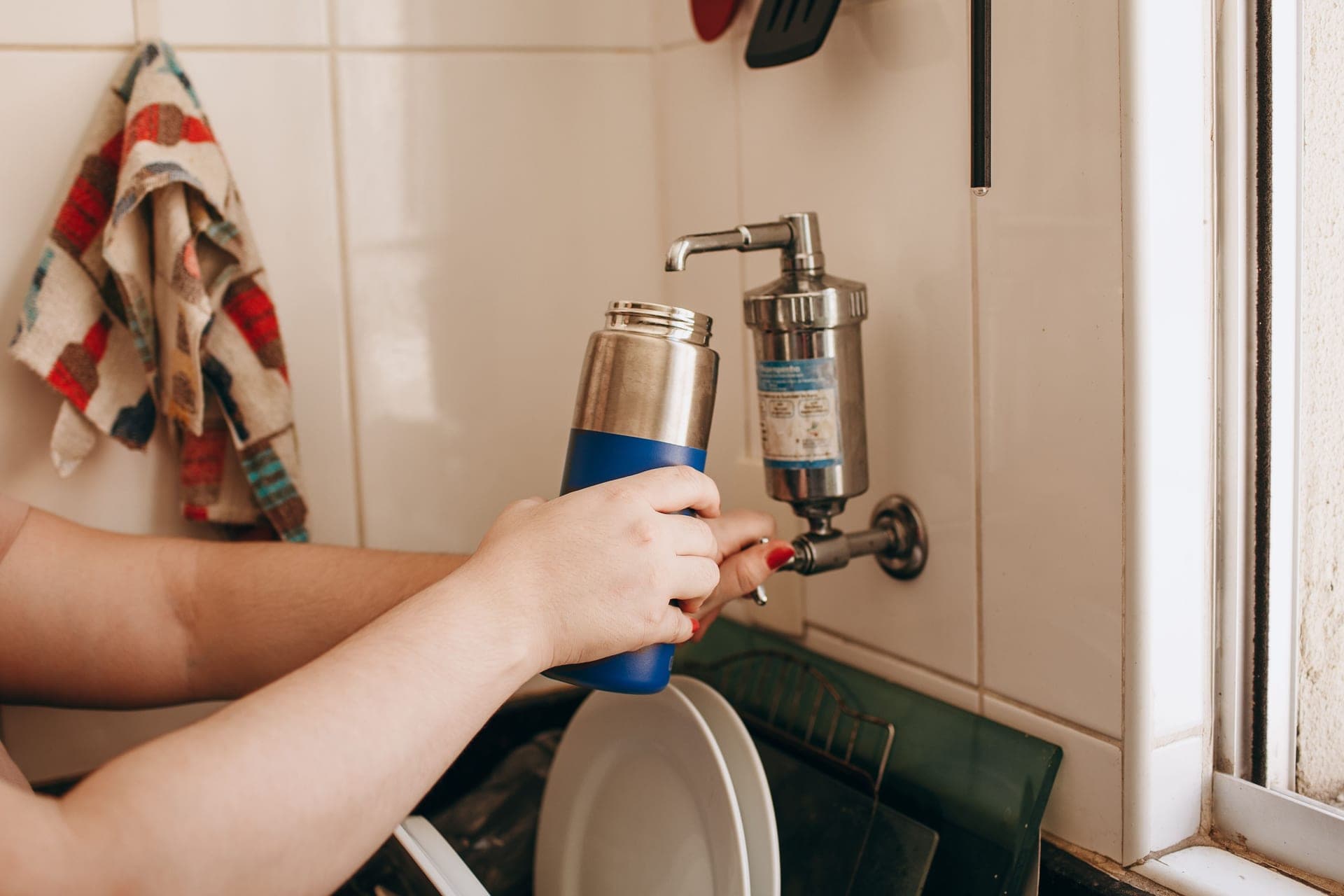
Most budget machines have no filter provision at all. On those, the equivalent move is to filter the water before it goes in — a jug filter, a tap filter, or filtered water from the fridge.
When a filter earns its place
| Your situation | Verdict |
|---|---|
| Hard water, machine used daily | Fit one. It will change your descaling interval materially |
| Hard water, machine used occasionally | Worth it, and consider distilled water instead |
| Soft water | Marginal. Descale on schedule and skip the filter |
| You already fill it with filtered water | Skip it. You are filtering twice |
| Heavily chlorinated municipal supply | Worth it for taste alone |
| Ice tastes bad and production is fine | A filter is not your fix. Clean the machine |
The real benefit is a maintenance one
Scale is an insulator on the surface that has to move heat out of the water. As it thickens, the machine runs longer to make the same ice, which costs more, and the auger works against a rougher surface, which is where squealing starts.
Reducing the mineral load going in slows all of that down. It does not stop it, so a filter is not a replacement for descaling — see how to descale — but in a hard-water area it can be the difference between a monthly job and a quarterly one.
Using one properly
- Change it at the manufacturer's interval, and sooner if your water is hard. A saturated filter has stopped removing anything and is now a warm wet surface inside your machine.
- Remove it before any cleaning or descaling cycle. Chemicals damage the medium and residue lingers in it.
- Refit it only after the final rinse.
- Do not fit a filter and then stop emptying the machine. It does not address standing water, and standing water is the biofilm problem.
- If your machine has no filter provision, filter the water before you pour it in. Same effect, no cartridge.
The honest caveat
We have not tested filter performance and no manufacturer in this category publishes filtration specifications for these cartridges — no micron rating, no contaminant reduction figures, no capacity in gallons that we could source. So this page is about what the component is for and when it makes sense, not about how well any particular cartridge performs.
If your actual complaint is taste, start with why the ice tastes wrong, because a filter is the third thing to try, not the first.
The picks in full
1. The one to fit
GE Profile Opal Ice Maker Water Filter
The consumable that reduces how often you have to descale, which is the maintenance job everyone puts off.
- Rated output
- Not published
- Bin capacity
- Not published
- Electrical
- Not published
- Ceiling at 4 hrs/day, $0.18/kWh
- Not published
#ad We earn a commission on purchases made through this link. How this is funded. Prices last checked October 19, 2026.
The FirstBuild Opal manual includes a water filter section, so a filter is part of the intended maintenance routine on this machine rather than an accessory bolted on afterwards.
What a filter does here is reduce the mineral load reaching the freezing cylinder. That is the load that becomes scale, and scale is the single most common cause of a nugget machine slowing down.
It does not eliminate descaling. It changes how often you need to do it, which in hard-water areas is the difference between a quarterly job and a monthly one.
Skip this if
Your water is soft, or you already fill the machine with filtered or distilled water. A filter on top of already-filtered water is a purchase without a job.
2. Still needed alongside
Affresh Ice Machine Cleaner
A widely stocked general-purpose ice machine cleaner for owners of machines whose manufacturer sells nothing.
- Rated output
- Not published
- Bin capacity
- Not published
- Electrical
- Not published
- Ceiling at 4 hrs/day, $0.18/kWh
- Not published
#ad We earn a commission on purchases made through this link. How this is funded. Prices last checked October 19, 2026.
Most nugget machines are sold by brands that publish no cleaning product of their own, which is exactly the gap a general-purpose cleaner fills.
Always check your own manual before using any third-party product. Some manufacturers void warranty cover for cleaners they have not specified, and the manual is the only place that will tell you.
As with every cleaning product here, we have not used it and we are not going to describe how well it works. What we can say is what the category is for.
Skip this if
Your machine's manufacturer publishes a cleaning procedure that names a specific product. Follow that instead, particularly while the machine is under warranty.
Questions people actually ask
Do nugget ice makers need a water filter?
Need is strong. A filter reduces the mineral load reaching the freezing cylinder, which slows scale formation and lengthens the interval between descales. In a hard-water area that is a real benefit. If your water is soft, or you already fill the machine with filtered water from a jug, a filter has little left to do.
Does a water filter make ice taste better?
It can, by reducing chlorine and mineral taste in the water going in. But the most common cause of bad-tasting ice in these machines is not the incoming water at all: it is stale recirculated water and biofilm in the reservoir. A filter does nothing about either. Empty and clean the machine first.
How often should you change an ice maker water filter?
At the interval your manufacturer specifies, and sooner in hard water. A saturated filter stops removing anything and becomes a place for growth, so an old filter is worse than no filter.
Can I use distilled water instead of a filter?
Distilled water carries essentially no mineral load, so it produces almost no scale, and it is a legitimate approach for a machine used occasionally. For daily use it means buying and carrying water, which most people abandon within a month. A filter is the sustainable version of the same idea.
Do I remove the filter before cleaning or descaling?
Yes. Cleaning and descaling chemicals will damage the filter medium and can leave residue in it that comes back out later. Take it out, run the procedure, rinse thoroughly, then refit.
Sources
- FirstBuild Opal Use & Care manual, Ver. 2/13/2017 (water filter section) (read 2026-09-02)
- GE Profile Opal 2.0 Owner's Manual 49-9000029 Rev. 6 (read 2026-09-02)
Read next
- What Water to Use in a Nugget Ice Maker
Tap, filtered or distilled: what each does to scale, taste and maintenance.
- How to Descale a Nugget Ice Maker
Different chemistry from cleaning, and usually the fix for a machine making ice slowly.
- How to Clean a Nugget Ice Maker
A cross-brand cleaning procedure, and the cleaning-versus-descaling distinction nobody draws.
- Why Does My Ice Taste or Smell Bad?
Almost always stale recirculated water, not the water you pour in. Diagnosed in order.
- Nugget Ice Makers With a Water Line
What a water-line connection really means on a countertop machine, and the alternatives.
- Choosing an Ice Maker Cleaner
Cleaner or descaler? Work out which problem you have before you buy either.
- How Much Water Does a Nugget Ice Maker Use?
Recirculation, three published reservoir volumes in the whole category, and why minerals concentrate.
- Smart Nugget Ice Makers
Which ice makers have WiFi, the four things the app really does, and whether it is worth the money.